
Physician Executive | Medical Consultant | Internal Medicine Physician | Medical Writer | Value Based Care | Utilization Management & Physician Advising
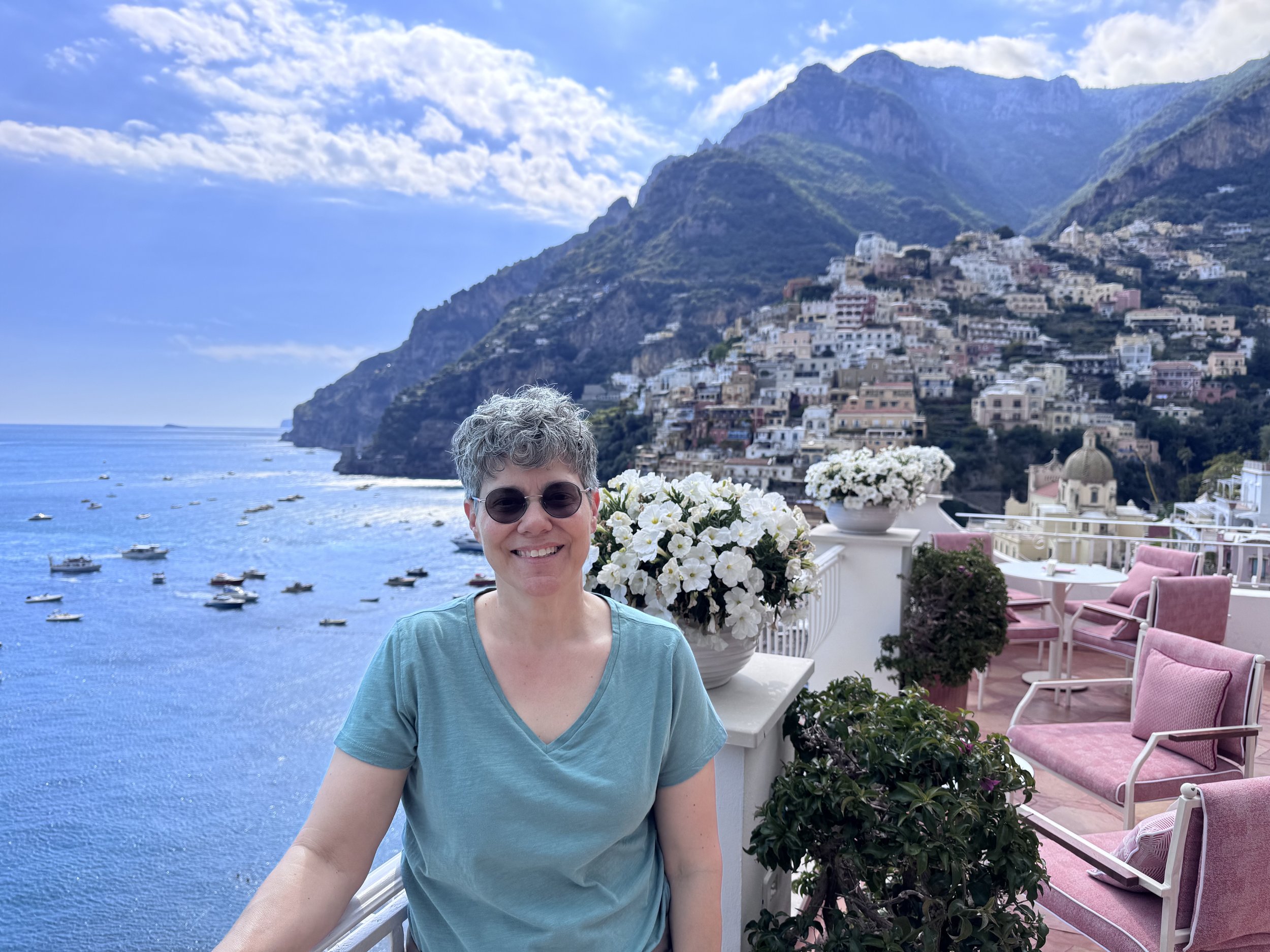
I have spent more than two decades working at the intersection of clinical medicine, healthcare leadership and organizational strategy. As an internal medicine physician, physician executive, consultant and medical writer, I bring a perspective shaped by years of caring for patients, leading physicians and clinical teams, and navigating the increasingly complex business of healthcare.
Throughout my career, I have held senior physician leadership positions, including Chief of Hospital Medicine, Chief Physician Advisor and Chief Medical Officer for both a value-based care organization and a hospice and advanced illness organization. These experiences have given me a deep understanding of the challenges healthcare organizations face, from improving clinical outcomes and managing utilization to engaging physicians, developing new models of care and maintaining financial sustainability without losing sight of the patient.
Today, through Christina Rama, LLC, I provide medical consulting and physician services to healthcare organizations. My work includes utilization management and physician advising, medical necessity and level of care review, clinical operations, value-based care, population health, care model development and healthcare strategy.
I also continue to practice medicine, providing locum tenens internal medicine coverage. Staying clinically active keeps my work grounded in the realities physicians and patients face every day. I believe that perspective is particularly important when developing policies, evaluating performance or making decisions that affect how care is delivered.
My leadership philosophy is straightforward: meaningful, sustainable improvement requires physician engagement. Physicians need to understand the goals, have a meaningful voice in how those goals are achieved and be accountable for the results. I've learned that even the best strategic initiatives can fail when they don't account for the realities of clinical practice. Effective leadership requires collaboration, transparency, sound data and an understanding that healthcare is ultimately about people, not just performance metrics.
More recently, I have expanded another longstanding interest: medical writing and public education.
Through my publication, First Do No Harm, I write about medicine, public health, emerging research, healthcare policy and the increasingly complicated relationship between medicine and business. I examine medical claims, question conventional wisdom when the evidence warrants it, and explore how financial incentives, marketing and public policy influence the care patients receive.
My goal is to make complicated medical topics understandable without oversimplifying them. There is an enormous amount of medical information available today, but not all of it is accurate, and much of it is presented without the context people need to make informed decisions. I believe patients and the public deserve better. They deserve information grounded in science, presented honestly and without an agenda.
Across all of these roles, the common thread is translating medicine into action. Whether I'm helping a healthcare organization improve clinical and operational performance, working with physicians to solve difficult utilization challenges, caring for patients at the bedside or helping readers understand what a new medical study actually means, my approach is grounded in evidence, practical experience and a commitment to better healthcare.
I welcome opportunities to collaborate with healthcare leaders, physicians and organizations seeking consulting or physician services, as well as those interested in medical writing, healthcare education and public health communication.
ABOUT ME:

Medical Writing & Commentary
First Do No Harm
Medical News, Research, and Healthcare Policy. Without the Hype.
Medicine is complicated enough without misleading headlines, questionable health claims, and marketing masquerading as science.
In First Do No Harm, I examine emerging medical research, public health issues, healthcare policy, and the financial interests influencing modern medicine.
My goal is simple: to help readers understand what the evidence actually says, what we still don't know, and why it matters.
Featured Articles

The Wolverine Peptide Craze: Is the FDA Making Experimental Medicine Mainstream?
Promising animal studies. Almost no reliable human evidence. And now a proposal to expand access to experimental peptides.BPC-157 is being marketed as a remarkable healing compound, but what does the science actually show? I examine the research, the marketing, the potential risks, and the controversy surrounding efforts to make these substances more widely available.
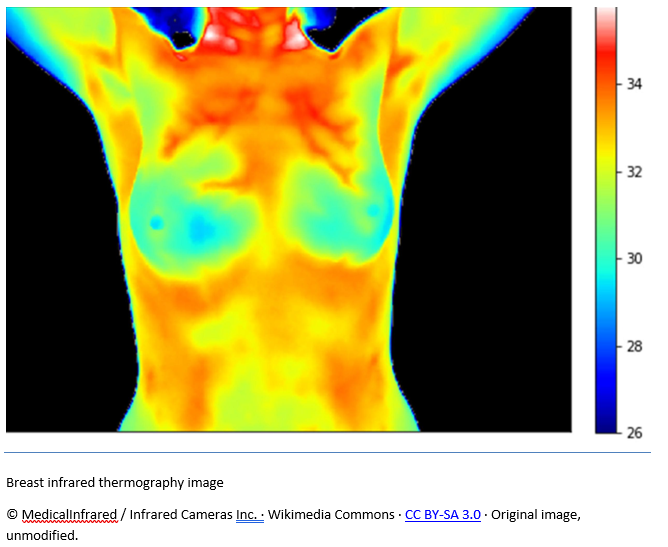
Can a Thermogram Replace Your Mammogram?
No radiation. No compression. No discomfort. No having to forego deodorant. Sounds wonderful. But can a heat-sensing camera actually detect breast cancer?
Can a heat-sensing camera really replace your mammogram?
No radiation. No compression. No discomfort. Sounds wonderful, right?
A wellness center recently warned women that mammograms cause the very cancer they're supposed to detect. Naturally, I decided to take their advice and “do my own research.”
Turns out, breast thermography has been studied for nearly 70 years. Newer AI technology shows some promise, but there's still no convincing evidence that thermography can safely replace mammography.
As a breast cancer survivor whose cancer was detected early by mammography, I have some thoughts about that.
And did I mention that thermograms can cost hundreds of dollars out of pocket?
Sometimes the most dangerous thing about a medical test isn't what it does to you. It's what it fails to tell you.

When Abortion Laws Meet Medical Reality: What Has Happened to Women’s Health Since Dobbs?
Four years after Roe v. Wade was overturned, examining the evidence on maternal mortality, emergency care, infant health, and the physicians caught between medicine and the law.
What happens when medical judgment collides with the law? In this article, I examine the real-world consequences of abortion restrictions following the Supreme Court’s Dobbs decision, including delays in emergency pregnancy care, maternal and infant health outcomes, and the impact on physicians. Drawing on heartbreaking patient stories and published research, I separate what the evidence tells us from what remains uncertain. This isn't about revisiting the moral debate over abortion. It's about patient safety, unintended consequences, and whether laws governing medical care should be held to the same evidence-based standards we expect of medicine itself.
Connect on Professional Networks




Submit an Inquiry
Available for consulting, writing assignments, and speaking engagements